
Top Hidden Winter Attractions in the Southeast
Introduction
Winter in Georgia offers a quieter, more intentional way to travel. Mild seasonal temperatures, reduced crowds, and year-round access to many public lands make winter ideal for campers, RV travelers, and cabin guests seeking outdoor exploration without peak-season congestion.
From the Appalachian foothills of North Georgia to the state’s undeveloped barrier islands and inland forests, winter reveals landscapes that feel more open and personal. BlueSpotGuide helps travelers understand what’s nearby their campground, making it easier to plan relaxed, location-based trips that align with seasonal conditions.
Exploring Hidden Winter Attractions in Georgia
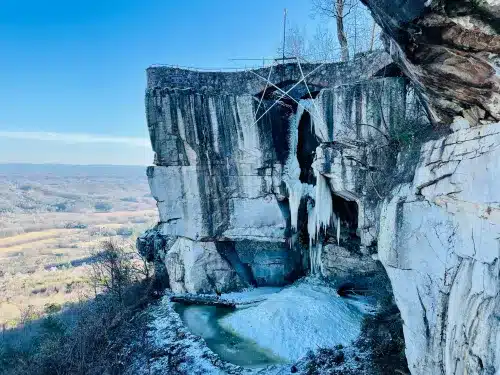
Why Visit Georgia in Winter?
Georgia’s winter climate is generally moderate compared to northern regions. Many state parks, wildlife management areas, and coastal preserves remain open year-round, and cooler temperatures make hiking and sightseeing more comfortable.
According to Georgia State Parks & Historic Sites, most parks remain open throughout the winter season, though hours and conditions may vary by location and weather. Visitors are encouraged to check park alerts before arrival.
Leaf-off conditions in winter improve long-range views in forested areas, especially in the mountains. For campground travelers, winter also brings greater campsite availability, quieter stays, and easier access to nearby towns and trails.
What Makes an Attraction “Hidden” in Georgia?
Hidden winter attractions are locations that may be less promoted during peak travel seasons but offer excellent off-season experiences. These places are often:
- Slightly removed from major highways
- Better suited to travelers seeking quiet and nature rather than events
- Public lands or small towns that remain active year-round
Winter highlights these destinations by reducing crowds while maintaining accessibility.
Unique Mountain Escapes in North Georgia
Winter Waterfalls and Quiet Trails
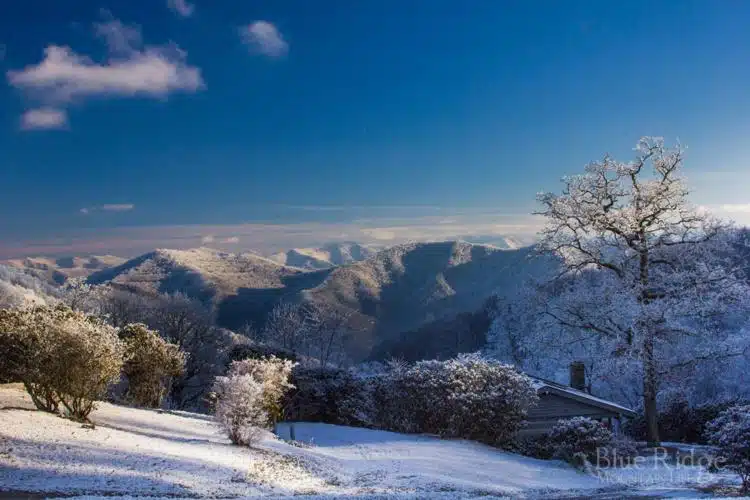
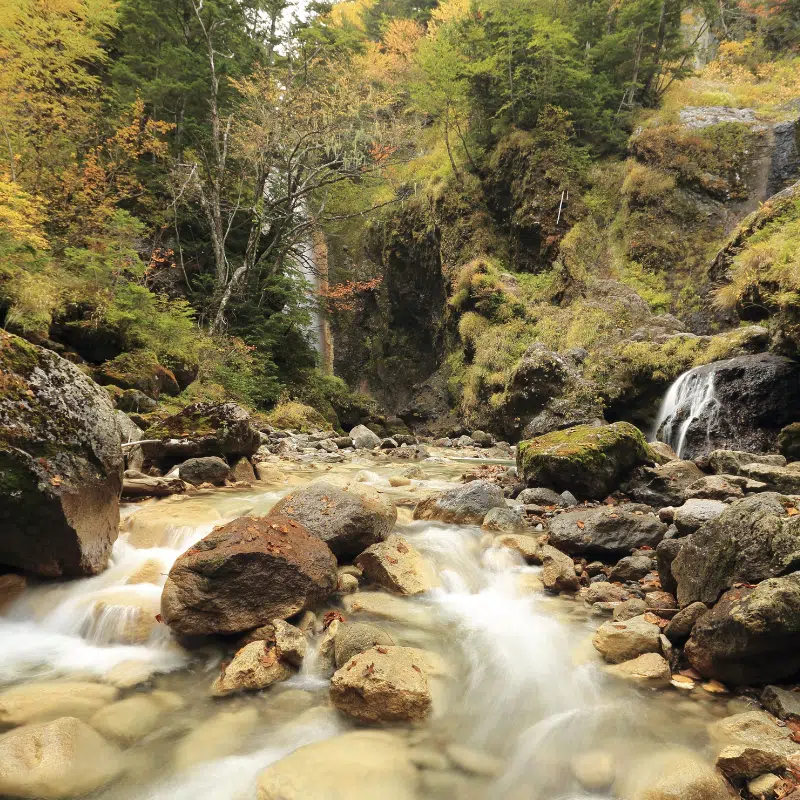
North Georgia’s mountains, part of the Appalachian range, feature waterfalls, ridgelines, and forest trails that feel especially peaceful in winter. While extended freezing temperatures are uncommon, winter rainfall often improves waterfall flow.
Many of these trails are managed on public land overseen by the U.S. Forest Service – Chattahoochee-Oconee National Forests, which remains open year-round with seasonal safety advisories.
Trails are significantly less crowded during this season, making winter an excellent time for casual hiking, photography, and scenic drives.
Staying at a North Georgia campground or RV park? Use BlueSpotGuide Explore Locations to identify nearby waterfalls, trailheads, and scenic routes within a short drive.
Cozy Winter Stays in the Blue Ridge Mountains
The Blue Ridge region offers secluded winter stays with access to public trails, overlooks, and small mountain towns. Winter brings crisp mornings, clearer mountain views, and quieter roads.
Cabin and campground guests benefit from reduced traffic and a slower pace, allowing short outings to feel more immersive and unrushed.
Before heading out, check your campgrounds BlueSpotGuide location page for nearby trail access points, towns, and winter-friendly attractions.
Coastal Georgia’s Quiet Winter Side
Winter Wildlife Watching on Cumberland Island
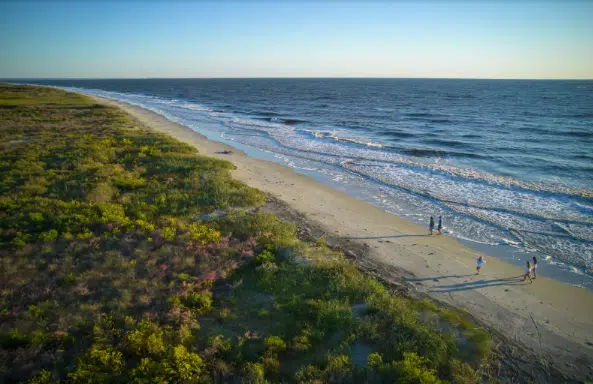
Cumberland Island is one of Georgia’s most remote coastal destinations. Winter visits bring cooler temperatures, fewer insects, and improved wildlife visibility, including wild horses, deer, and shorebirds.
The island is managed by the National Park Service, which confirms that access is limited to scheduled ferry service and that there are no food, fuel, or retail services on the island. Visitors must plan carefully and follow Leave No Trace guidelines.
Access is limited to a scheduled ferry, and visitors must plan carefully. There are no services on the island, and overnight stays are restricted to designated areas.
Quiet Barrier Islands and Coastal Parks
Georgia’s barrier islands and coastal state parks feel especially calm in winter. Cooler air makes beach walks and maritime forest trails more comfortable, and visitor numbers are significantly lower than in summer.
These destinations appeal to travelers who prioritize open space, natural scenery, and solitude over resort-style amenities.
Georgia Towns with Winter Character
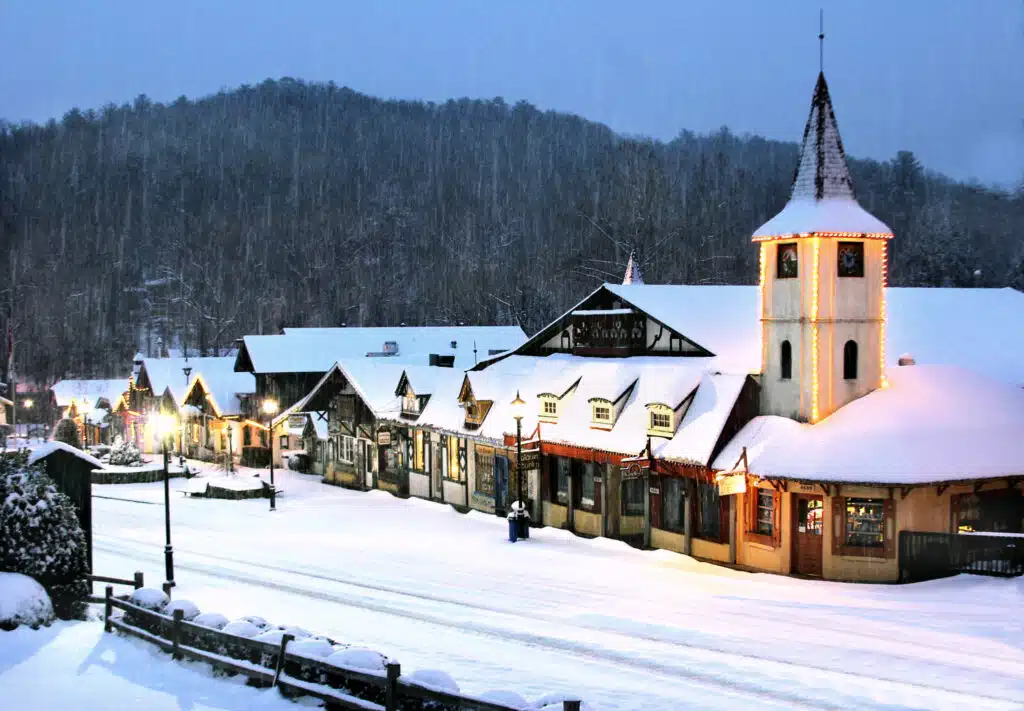
Dahlonega in the Off-Season
Dahlonega’s historic square, local museums, and surrounding wineries remain open through winter, though hours may vary. Snowfall is occasional rather than consistent, but cooler weather enhances the town’s mountain setting.
Winter brings a slower pace, making it easier to explore on foot and engage with local businesses without peak-season congestion.
Off-the-Beaten-Path Georgia State Parks
Hiking and Stargazing at Cloudland Canyon State Park
Located atop Lookout Mountain in northwest Georgia, Cloudland Canyon offers dramatic canyon views and expansive overlooks. Winter hiking benefits from reduced foliage, opening wider sightlines across the canyon.
Trails remain open year-round, though visitors should always monitor weather conditions and park advisories before visiting.
Staying at a campground near Lookout Mountain? BlueSpotGuide helps identify nearby trailheads, overlooks, and winter-accessible routes.
Essential Travel Tips for Winter in Georgia
How to Dress for Georgia Winter Weather
Layering is key. Temperatures vary by elevation and time of day. Lightweight insulation, wind-resistant outer layers, and sturdy footwear are typically sufficient for winter outings.
Packing Advice for Outdoor Exploration
Bring rain protection, reusable water bottles, and navigation tools. Shorter daylight hours make early starts and headlamps useful for longer hikes.
Finding Hidden Attractions with Local Insight
BlueSpotGuide’s Explore Locations pages show what’s near your campground, including parks, towns, trails, and seasonal access notes reducing guesswork and supporting relaxed trip planning.
Conclusion
Winter reveals a quieter, more rewarding side of Georgia. From Appalachian Mountain trails to undeveloped coastlines and historic towns, the state offers meaningful outdoor experiences without peak-season crowds.
By focusing on what’s nearby and seasonally accessible, BlueSpotGuide helps travelers uncover winter attractions that feel authentic, practical, and memorable.